Roof Cleaning in Jacksonville, FL
Black streaking on a Jacksonville roof is usually algae, not dirt. On asphalt shingle it comes off with a cleaning solution applied at low pressure and rinsed at low pressure. The Asphalt Roofing Manufacturers Association says a shingle roof should never be pressure washed, because that causes granule loss. We confirm your roof material first, then use the method that material needs.
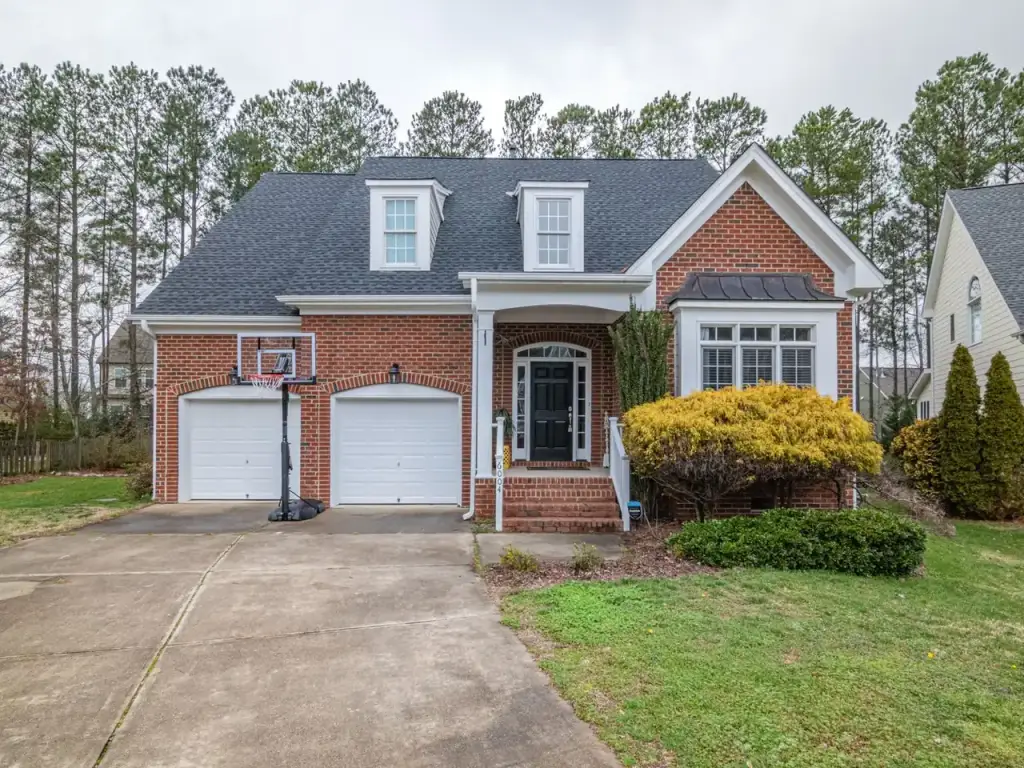
Can you pressure wash a roof?
No, not an asphalt shingle roof. The Asphalt Roofing Manufacturers Association (ARMA) says a pressure washer should never be used on an asphalt shingle roof, because it causes granule loss and likely premature roof failure. ARMA also says not to use a brush or a broom.
The granules give the shingle its colour and protect the asphalt underneath from ultraviolet light (ARMA). Losing them shortens the life of the roof, so the cleaning method matters more than how clean the roof looks on the day.
The method ARMA specifies instead is a solution of equal parts liquid chlorine bleach and water, applied with a sprayer, left to dwell for 15 to 20 minutes, then rinsed thoroughly with low pressure water. Our roof work follows that low pressure approach. ARMA also warns that the process leaves a roof slippery and encourages using professionals rather than doing it yourself, which is worth weighing before anyone climbs up there.
Sources: ARMA, Algae and Moss Prevention and Cleaning for Asphalt Roofing Systems and ARMA, Algae Discoloration of Roofs.
What the black streaks actually are
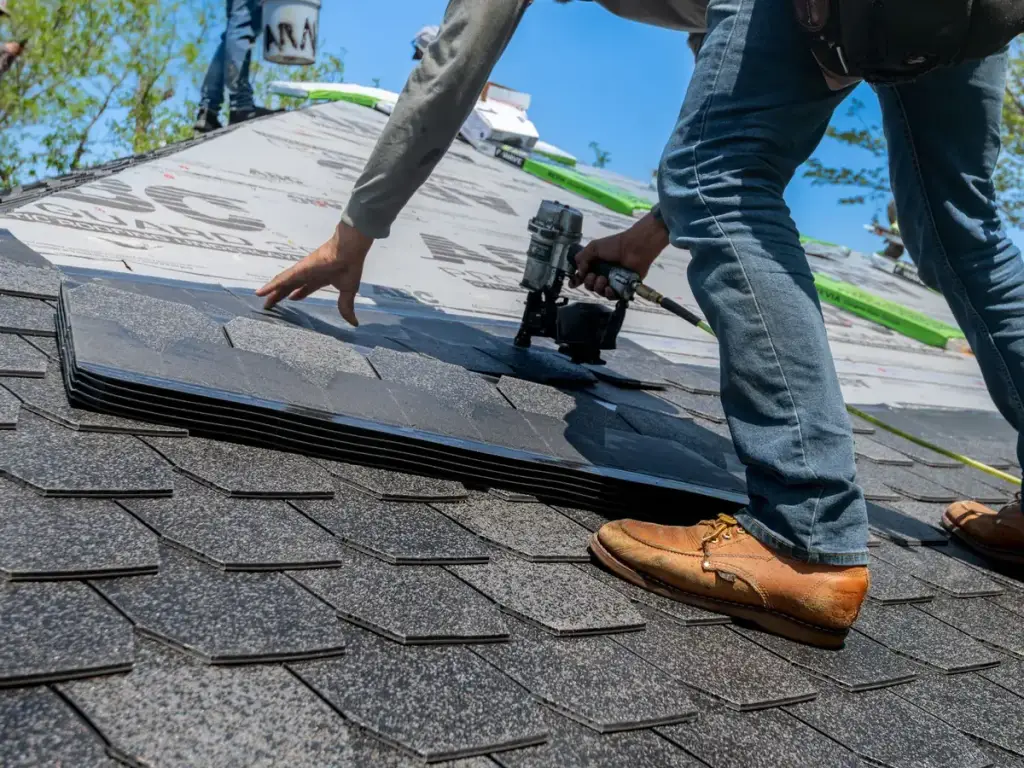
ARMA identifies the organism as Gloeocapsa magma, a blue green algae, and calls it probably the most prevalent of the several species that discolour roofs. Strictly it is a cyanobacterium rather than an alga, but algae is the term the roofing industry uses for it.
This is a living colony, not accumulated dirt, which is why the recommended treatment is a solution that kills it, given time to work, rather than force.
Why Jacksonville roofs get it badly
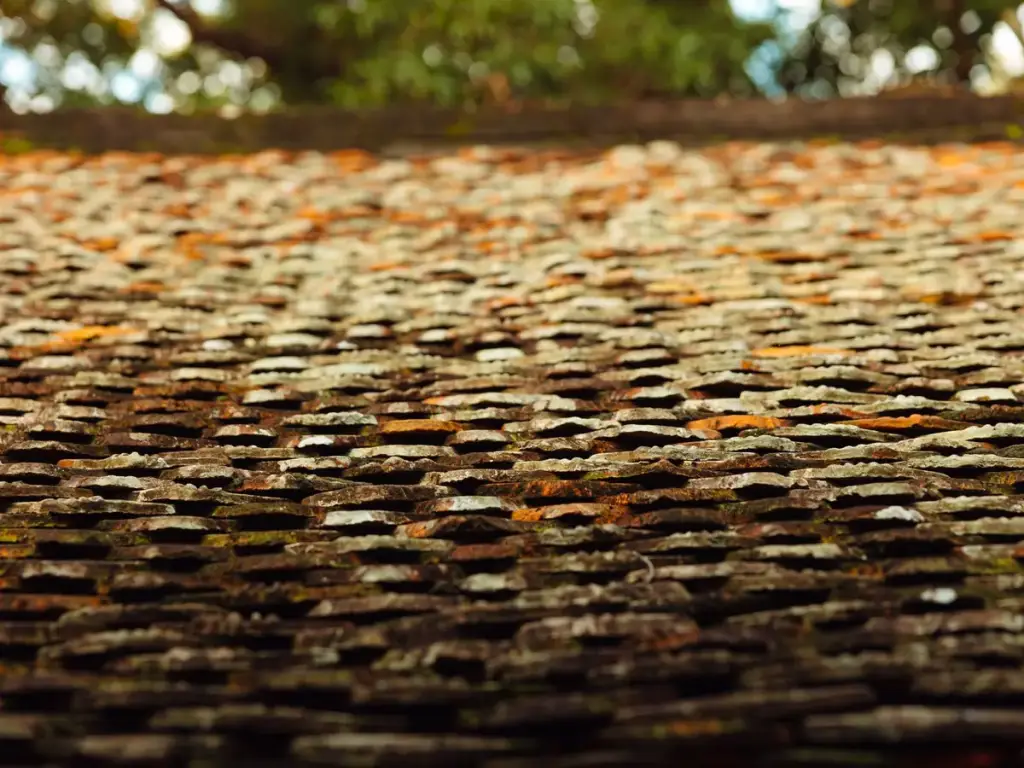
ARMA links roof algae to warm, humid conditions and names the Gulf States and the Eastern Seaboard as the most affected regions. Jacksonville averages 53.4 inches of rain a year, and average morning humidity is 88 percent (NOAA NCEI, 1991 to 2020 normals).
Shade and leaf litter keep a roof damp for longer, so roofs under tree cover tend to stain first.
Roof material changes the method
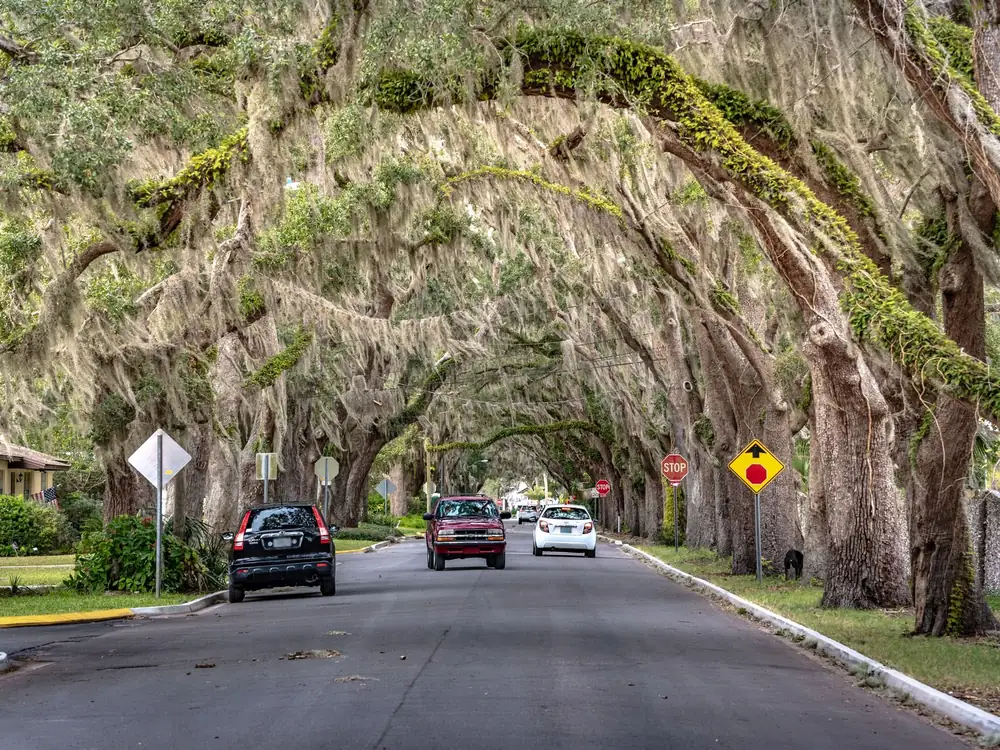
There is no single correct way to clean every roof, and treating them alike is how roofs get damaged. We confirm the material before quoting.
Asphalt shingle
The material with a clear published standard: low pressure only, no pressure washing and no brushing, per ARMA.
Concrete and clay tile
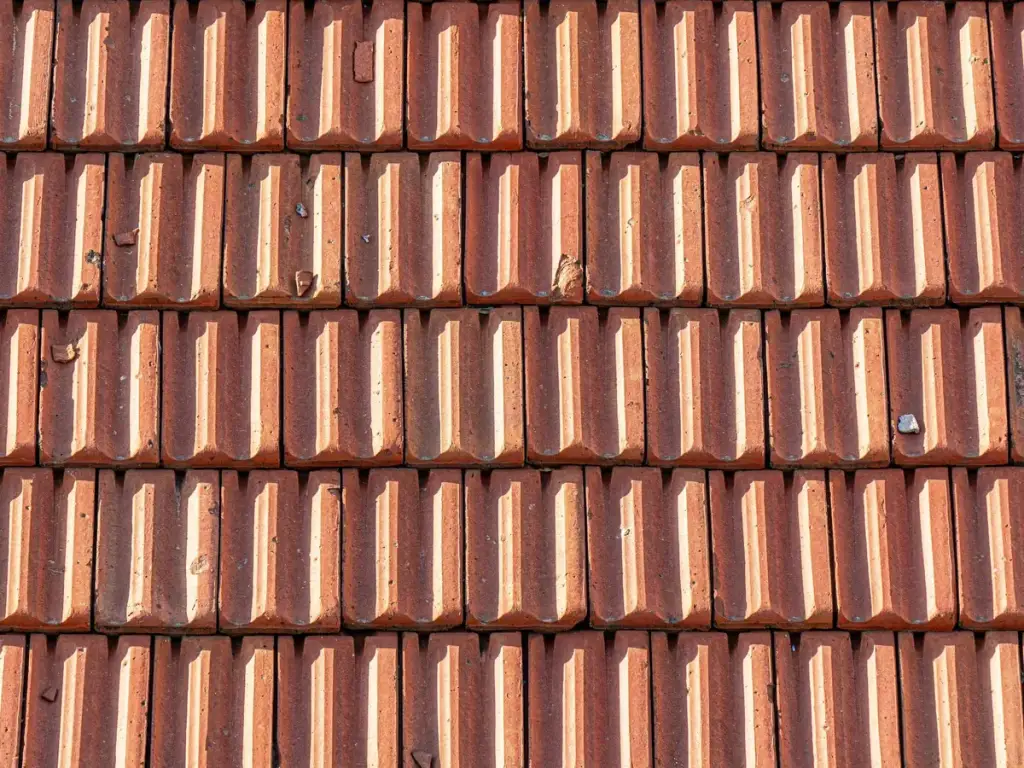
Tile is more robust than shingle but it is walked differently and it breaks. Cracked or slipped tiles, and the condition of the underlayment beneath, both change what is safe to do. We look before we commit to an approach, and if a roof needs a roofer rather than a cleaner we will say so.
Metal
Metal roofing has a coated finish, and the coating is the thing being protected. Approach depends on the coating and its age, and on the fixings and sealant at the seams. Again, we establish what is up there first.
We cite a published industry standard for asphalt shingle because one exists. For tile and metal we are describing our own working practice rather than quoting an authority, and we would rather say that than dress it up.
How a roof clean runs
- We identify the material and look at its condition. Age, granule loss already present, loose or lifted areas, and anything that says this is a roofing job rather than a cleaning job.
- We protect what sits below. Planting, lawn and hard surfaces under the run-off line are wetted, covered or rinsed, depending on what is there.
- Solution goes on at low pressure and is left to dwell. The dwell time is doing the work, not the force.
- Low pressure rinse, working with the fall of the roof rather than against it.
- We walk it with you and tell you honestly what did not fully clear. Some staining on an older roof does not come all the way back.
Gutters are usually worth doing at the same time, because whatever comes off the roof ends up in them. See gutter cleaning.
What moves the price on a roof clean
- Roof area, which is not the same as your home’s floor area. Pitch adds surface.
- Pitch and access. A steep roof, a three storey elevation, or a roof you can only reach across landscaping all take longer and need more setup.
- How far the staining has gone. Light streaking and a fully colonised north slope are different jobs.
- Material. See above. Tile and metal are not priced like shingle.
- What sits underneath. Heavy planting, a screen enclosure or a pool below the run-off line means more protection work.
- Water supply. Whether there is a usable outside tap, and its flow.
We will not put a firm number on a roof without seeing it.
Roof cleaning questions
Will cleaning damage my shingles?
Low pressure application and rinsing, done to the method ARMA sets out, is the approach the roofing industry itself points to. High pressure is what causes damage, through granule loss. The risk lies in the method, not in cleaning as such, which is why the first question to ask any contractor is what pressure they intend to use on your roof.
Will it affect my roof warranty?
Warranty terms differ between shingle manufacturers, so we will not tell you what yours says. ARMA states that pressure washing an asphalt shingle roof is likely to cause premature roof failure. If your roof is under warranty, check the manufacturer’s cleaning guidance and keep a record of the method used. We will put the method in writing for that purpose.
How long before the streaks come back?
It depends on the roof. Shade, tree cover and how long the surface stays damp all drive regrowth, and a shaded slope usually returns sooner than one in full sun. We would rather look at your roof after a season than promise an interval.
Can I do it myself?
ARMA notes that the cleaning process makes a roof slippery and encourages the use of professionals. Beyond the fall risk, the common DIY outcome is reaching for a pressure washer, which is the one thing the guidance rules out. If you do go up there, the solution and dwell time are what work, and a consumer pressure washer is the wrong tool entirely.
Is this the same as soft washing?
Yes, in substance. Soft washing is the trade term for applying a cleaning solution at low pressure and letting it do the work, which is what a shingle roof needs. The full comparison is here, surface by surface.
Do you clean the gutters and fascia too?
They are separate line items but they usually belong in the same visit, because roof run-off goes straight into the gutter. Clearing the channel and brightening the outside face of the gutter are also two different jobs, and we will quote them separately so you can see what you are paying for. See gutter cleaning.
Get a quote for your roof
Tell us the roof material if you know it, and roughly how bad the streaking is.